
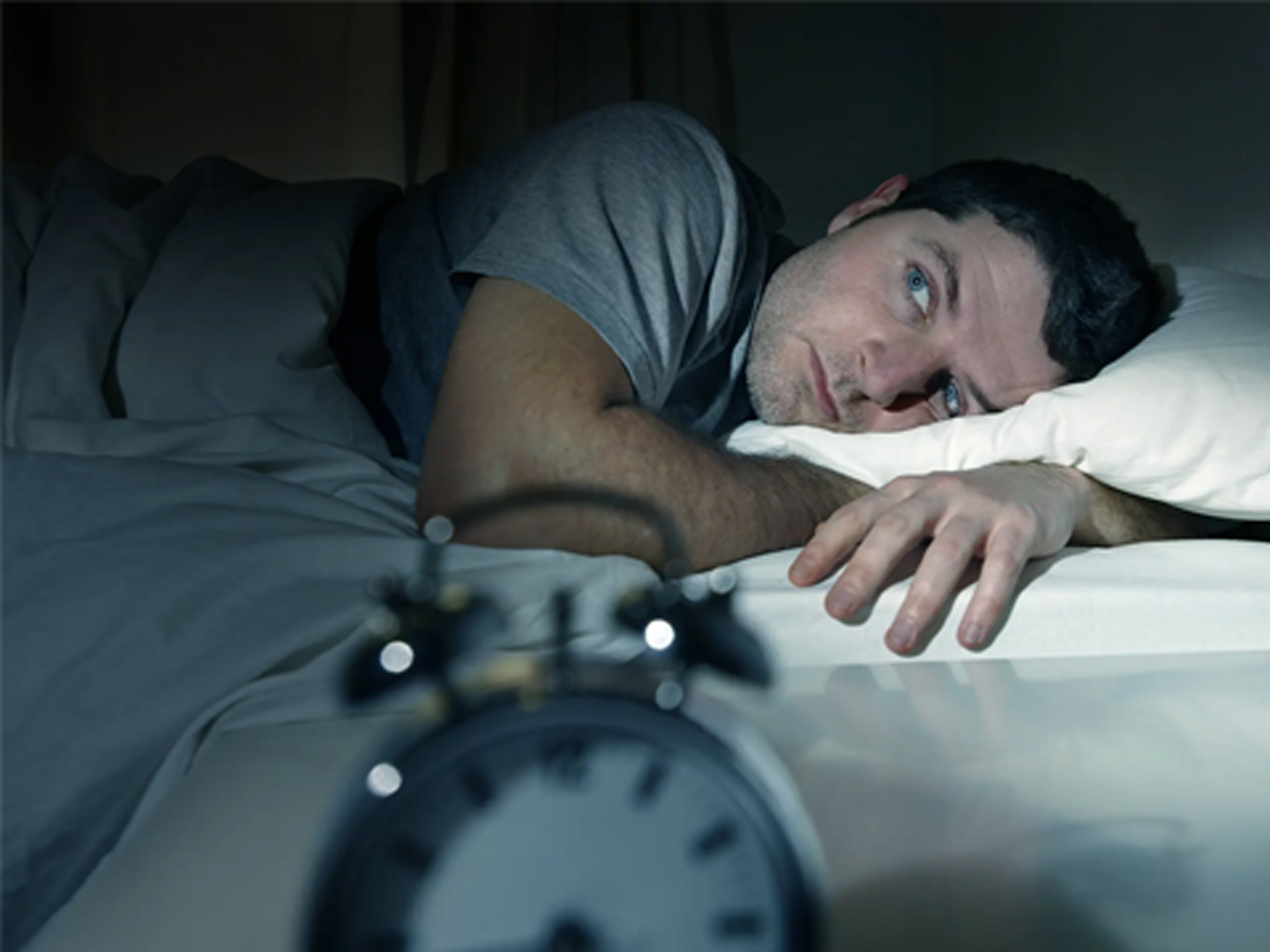
Why can't I sleep? 10 Reasons and How to Fix Them
You're lying in bed, staring at the ceiling, and asking yourself the same exhausting question: Why can't I sleep? You're not alone. According to the NHS, around 1 in 3 adults in the UK regularly struggle to get a good night's sleep. Poor sleep isn't just an inconvenience; it's a health issue that affects your mood, immune system, metabolism, and mental clarity.
The good news is most sleep problems have identifiable causes and effective solutions. In this blog you will know the 10 most common reasons of why you can't sleep at night, plus practical fixes for each one.
Common sleep disorder problem
Sleep disorders can disturb your rest, energy, mood, and daily routine. Many people face sleep problems because of stress, irregular habits, medical issues, or lifestyle changes. Knowing the common sleep disorders helps you understand the problem and seek the right solution. Here are some common sleep disorder problems:
- Insomnia: Difficulty falling asleep or staying asleep at night.
- Sleep apnea: Breathing repeatedly stops and starts during sleep.
- Restless legs syndrome: Uncomfortable leg feelings create an urge to move the legs.
- Narcolepsy: Sudden sleep attacks happen during the day.
- Parasomnia: Unusual behaviors occur during sleep, such as talking or moving.
- Circadian rhythm disorder: The body's sleep-wake timing becomes disturbed.
- Hypersomnia: Excessive sleepiness continues even after enough sleep.
- REM sleep behavior disorder: A person physically acts out dreams while sleeping.
- Night terrors: Sudden fear, screaming, or panic happens during sleep.
- Sleepwalking: A person walks or performs activities while still asleep.
10 reasons why you cant sleep at night
Many people struggle to sleep at night even when they feel tired. Poor sleep can happen because of stress, lifestyle habits, health issues, or an uncomfortable bedroom environment. Understanding the common reasons can help you improve your sleep routine and rest better. Here are the 10 most common reasons given below for your sleepless night:
1. Too much screen time before bed
The blue light emitted by phones, tablets, and laptops suppresses melatonin, the hormone that signals to your body it's time to sleep. Most people don't realize that even 30 minutes of evening scrolling can push back your natural sleep window by hours.
How to fix it:
- Power down all screens at least 60 minutes before bedtime
- Use blue-light-blocking glasses if evening screen use is unavoidable
- Switch devices to Night Mode or warm-tone display settings after sunset
- Replace screen time with reading a physical book or listening to a podcast
2. Caffeine consumed too late in the day
Caffeine has a half-life of five to six hours, meaning that an afternoon latte is still very much in your system at midnight. It works by blocking adenosine—the chemical that builds sleepiness throughout the day.
How to fix it:
- Set a firm caffeine cutoff of no later than 2:00 PM each day
- Switch to herbal teas like chamomile or valerian root in the evenings
- Watch for hidden caffeine sources—chocolate, some pain relievers, and energy drinks all count
- Gradually taper intake if you're a heavy coffee drinker to avoid withdrawal headaches
3. Anxiety and racing thoughts
When the day ends and distractions disappear, anxiety tends to fill the silence. The mind replays conversations, rehearses tomorrow's tasks, and spirals into worst-case scenarios.
How to fix it:
- Try a 10-minute journaling session before bed to offload worries onto paper
- Practice the 4-7-8 breathing technique: inhale for 4 seconds, hold for 7, exhale for 8
- Use progressive muscle relaxation—tense and release each muscle group from feet to head
- Consider guided meditation apps like Calm or Headspace specifically designed for sleep
4. An irregular sleep schedule
Your body runs on a circadian rhythm—an internal 24-hour clock. Inconsistent bedtimes confuse this system, making it harder to fall asleep and wake up naturally.
How to fix it:
- Go to bed and wake up at the same time every day, including weekends
- Expose yourself to natural light first thing in the morning to anchor your circadian clock
- Avoid sleeping in more than one hour past your usual wake time, even after a bad night
- Within two weeks of consistency, your body will begin anticipating sleep naturally
5. Your bedroom is too warm
Core body temperature needs to drop slightly for sleep to begin. A warm room fights against this natural cooling process, keeping you restless and uncomfortable.
How to fix it:
- Set your thermostat between 60–67°F (15–19°C) for optimal sleep conditions
- Use breathable, moisture-wicking bedding materials such as bamboo or cotton
- Try a fan for both cooling and white noise—a dual benefit for restless sleepers
- Consider a cooling mattress topper if temperature regulation is an ongoing issue
6. Alcohol before bed
Many people use alcohol as a sleep aid, but this is counterproductive. While alcohol may help you fall asleep faster, it disrupts REM sleep and causes fragmented, low-quality rest in the second half of the night.
How to fix it:
- Avoid alcohol within three hours of bedtime as a baseline rule
- Opt for a relaxing evening drink like warm milk, tart cherry juice, or a sleep-supportive herbal tea
- Be aware that even one or two drinks can measurably reduce sleep quality
- Track your sleep on nights with and without alcohol—the data is often eye-opening
7. Chronic pain or discomfort
Pain conditions — including back pain, arthritis, fibromyalgia, and headaches — are a frequently overlooked cause of sleep disruption. Discomfort makes it hard to fall asleep and can wake you repeatedly throughout the night.
How to fix it:
- Work with your healthcare provider to build an effective pain management plan
- Try an ergonomic mattress or positioning pillows suited to your condition
- Apply topical pain relief creams before bed to reduce localized discomfort
- Gentle stretching or a warm bath before sleep can ease muscle tension significantly
8. Sleep apnea
Obstructive sleep apnea causes repeated breathing interruptions during sleep. Many people with sleep apnea don't realize they have it — they only know they wake up feeling exhausted despite getting enough hours in bed.
How to fix it:
- Watch for common warning signs: loud snoring, gasping or choking sounds, and morning headaches
- Speak to your doctor if any of these symptoms sound familiar — a referral costs nothing
- A sleep study (polysomnography) can confirm the diagnosis quickly and accurately
- CPAP therapy is highly effective and life-changing for the majority of sleep apnea sufferers
9. Restless legs syndrome (RLS)
RLS causes uncomfortable sensations in the legs — often described as crawling, tingling, or an irresistible urge to move — that worsen at rest and especially at night.
How to fix it:
- Try stretching, leg massages, and warm baths before bed to ease mild symptoms
- Reduce caffeine and alcohol, both of which are known to worsen RLS
- Get your iron levels checked—iron deficiency is a major, correctable contributor to RLS
- If symptoms are frequent or severe, consult a physician about prescription treatment options
10. Eating a heavy meal late at night
Lying down shortly after a large meal puts pressure on the diaphragm and increases the risk of acid reflux and indigestion, both of which are notorious sleep disruptors.
How to fix it:
- Aim to finish your last major meal at least three hours before your target bedtime
- If you're truly hungry before bed, choose a light, easily digestible snack
- Foods rich in magnesium or tryptophan (like a small handful of almonds or half a banana) can actually support sleep
- Avoid spicy, highly acidic, or very fatty foods in the evening
When to see a doctor about sleep problems
Chronic insomnia deserves professional attention. A doctor can rule out underlying conditions, assess whether medication may help, and refer you to a sleep specialist if needed. At NorthwestMeds, we're committed to supporting your whole-body health — including the quality sleep your body needs to thrive. Whether you're looking for guidance on sleep supplements, prescription options, or simply a pharmacist to talk through your concerns, we're here to help.
See a doctor about your sleep if:
- You have difficulty falling or staying asleep at least three nights per week for more than three months
- You wake up unrefreshed consistently, regardless of how many hours you spend in bed
- A bed partner has noticed you snoring loudly, gasping, or stopping breathing during sleep
- You experience an irresistible urge to move your legs at night that disrupts your ability to rest
- Daytime fatigue is affecting your ability to work, drive safely, or function normally
- You are relying on sleep aids—prescription or over-the-counter—more than occasionally
- Your sleep problems began after starting a new medication or following a significant health event
- You are experiencing low mood, anxiety, or other mental health symptoms alongside poor sleep
Choose NorthwestMeds for sleep and insomnia medication
Sleep problems can destroy your focus, mood, and daily routine. Whether you struggle with insomnia, restless nights, or anxiety, the right medication can help you regain healthy sleep patterns. At NorthwestMedsUK, we provide trusted sleep and insomnia medicines with safe and discreet online service across the UK. Why choose us for sleep & insomnia medication
- Genuine and high-quality sleep medicines from trusted pharmaceutical sources
- Fast and discreet delivery for complete privacy and convenience
- Easy WhatsApp ordering process without unnecessary hassle
- Affordable prices with reliable customer support
- Safe packaging and secure payment options for peace of mind
FAQ about sleep disorder
Why can’t I sleep at night even when I feel tired?
Stress, anxiety, poor sleep habits, caffeine, or medical conditions can keep your brain active even when your body feels exhausted.
What is the best medication for insomnia?
The best sleep medication depends on your symptoms, sleep pattern, and health condition, so a doctor or pharmacist should guide the choice.
Can anxiety cause sleeping problems?
Yes, anxiety is one of the most common causes of insomnia and can make it difficult to fall or stay asleep.
Is it safe to take sleep medication every night?
Some sleep medicines are meant for short-term use only, and long-term use should always be monitored professionally.
How can I improve my sleep naturally without medication?
Keeping a regular sleep schedule, avoiding screens before bed, reducing caffeine, and creating a calm sleep environment can help improve sleep naturally.