
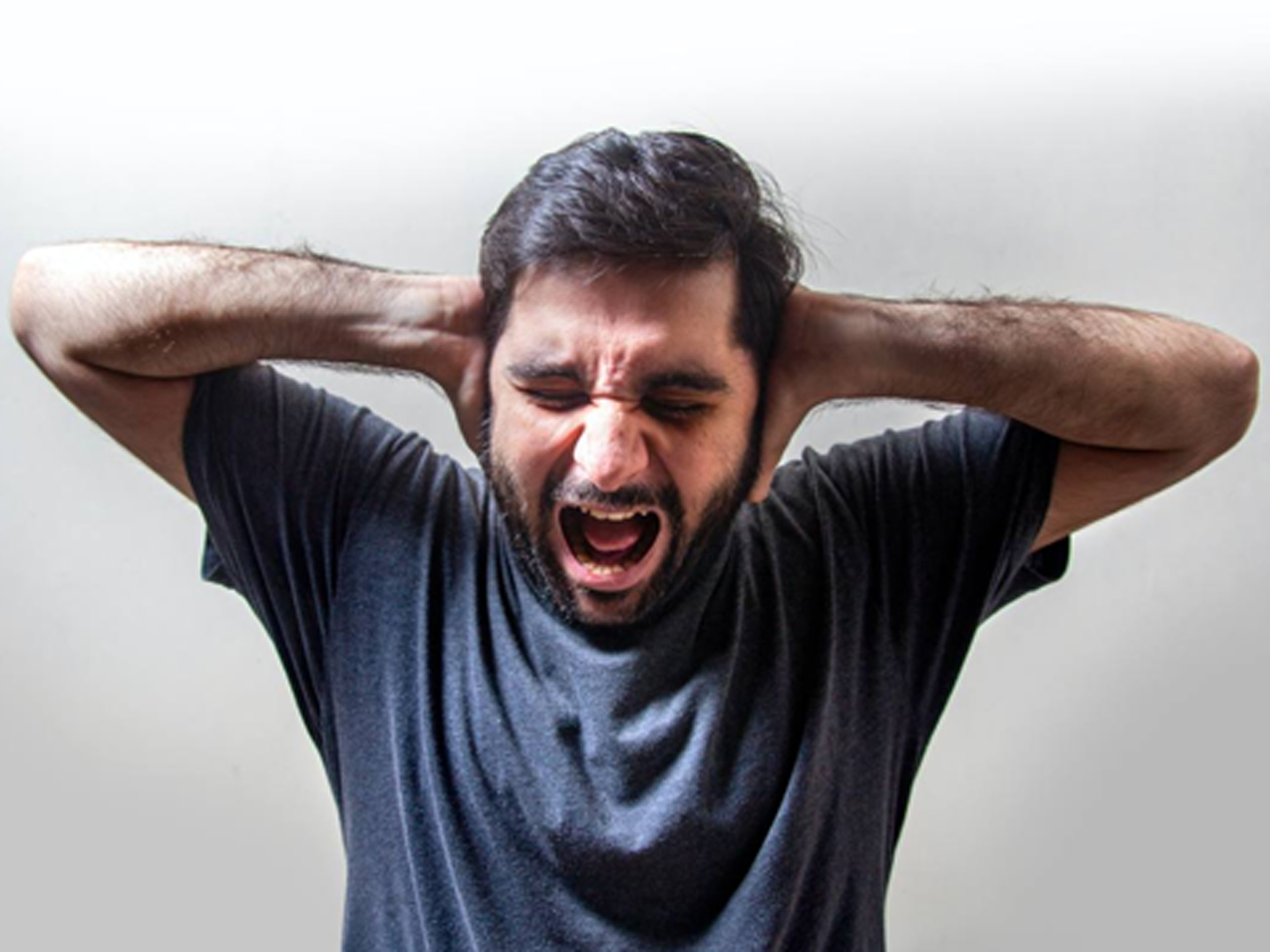
Panic Attack Causes, symptoms & treatment
You're going about your day—and then it hits. Your heart pounds out of your chest, you can't catch your breath, and a wave of terror washes over you for no obvious reason. If this sounds familiar, you may have experienced a panic attack.
Panic attacks are more common than most people realize, affecting roughly 1 in 10 people in the UK at some point in their lives. Despite how frightening they feel, they are not dangerous, and with the right knowledge and support, they are very manageable.
In this guide, NorthwestMeds walks you through exactly what a panic attack feels like, why they happen, and what you can do in the moment and long-term.
What is a panic attack?
A panic attack is a sudden episode of intense fear that triggers severe physical and psychological reactions—even when there is no real or apparent danger.
- It is not "all in your head"—the physical symptoms are entirely real and driven by your body's fight-or-flight response activating at the wrong time.
- It typically peaks within 10 minutes and rarely lasts longer than 30 minutes, though it can feel much longer in the moment.
- Anyone can have one — panic attacks don't discriminate by age, gender, or background, and a first episode often comes completely out of the blue.
Key symptoms of a panic attack
The experience of a panic attack varies from person to person, but most people describe it as one of the most frightening things they've ever experienced — often mistaking it for a heart attack or thinking they are dying. If you are experiencing chest pain and are unsure whether it is a panic attack or a cardiac event, always seek emergency medical attention first. Here are some key symptoms:
- Racing or pounding heart (palpitations): Your heart rate surges dramatically, which can feel alarming and is often the first thing people notice.
- Shortness of breath or choking sensation: Many people feel they cannot get enough air, as though something is pressing on their chest or throat.
- Dizziness, light-headedness, or faintness: Rapid breathing can change oxygen levels, causing the room to spin or your vision to blur.
- Shaking or trembling: Muscles tense involuntarily as adrenaline floods your body, causing visible or internal shaking.
- Sweating and chills: Your nervous system triggers perspiration suddenly, sometimes accompanied by cold flushes or waves of heat.
- Chest pain or tightness: Tension in the chest muscles and elevated heart rate can mimic cardiac pain, which is why panic attacks are so frequently confused with heart attacks.
- Nausea or stomach cramps: The gut is highly sensitive to stress hormones; many people feel sick or develop stomach pain.
- Feelings of unreality (derealization): Some people describe feeling detached from their surroundings, as though watching themselves from outside their body.
- Overwhelming fear of losing control or dying: This psychological dimension is what makes panic attacks truly distressing—a fear that something catastrophic is happening.
What causes panic attacks?
Panic attacks don't always have a single, identifiable cause — and that uncertainty is part of what makes them so confusing. However, several well-established factors are known to increase your risk.
- Chronic stress and anxiety: Prolonged stress keeps the nervous system in a heightened state, making it easier for a panic response to be triggered by even minor stimuli.
- Major life changes or trauma: Bereavement, relationship breakdown, job loss, or past trauma can all lower your stress threshold and trigger episodes.
- Stimulants and substances: High caffeine intake, alcohol, recreational drugs, and even certain medications can overstimulate the nervous system and provoke attacks.
Who is most at risk?
While anyone can have a panic attack, certain groups are statistically more likely to experience them — and understanding your risk can be an important step toward getting help sooner.
- People with anxiety disorders—particularly generalized anxiety disorder (GAD) and social anxiety—are significantly more prone to panic attacks.
- Those with a family history of anxiety or panic disorder have a higher genetic predisposition to experiencing them.
- People going through major hormonal changes, such as during puberty, pregnancy, postpartum periods, or menopause, may find panic attacks emerge or worsen.
What to do during a panic attack
In the middle of a panic attack, it can feel impossible to think clearly. Having a plan in advance makes a real difference—these evidence-backed strategies can help you ride it out.
- Focus on your breathing: Try the 4-7-8 technique — breathe in for 4 counts, hold for 7, exhale slowly for 8. This directly counteracts hyperventilation and signals safety to your nervous system.
- Ground yourself with the 5-4-3-2-1 method: Name 5 things you can see, 4 you can touch, 3 you can hear, 2 you can smell, and 1 you can taste. This anchors your mind to the present and interrupts the panic spiral.
- Remind yourself it will pass: Saying silently or aloud, "This is a panic attack; it is not dangerous, and it will be over soon," is a clinically recognized cognitive technique that reduces the intensity of the episode.
Long-term treatment options
A single panic attack doesn't always require treatment—but if it is recurring, interfering with your daily life, or causing you to avoid situations, professional support is important.
- Cognitive Behavioral Therapy (CBT) is the gold-standard psychological treatment for panic disorder, helping you identify and reframe the thought patterns that fuel attacks.
- Prescription medication—including SSRIs (like sertraline) or short-term benzodiazepines—can be highly effective and is available through your GP or via registered online pharmacies such as NorthwestMeds, following a consultation.
- Lifestyle adjustments, including reducing caffeine, improving sleep hygiene, regular aerobic exercise, and mindfulness practice, have all been shown to reduce the frequency and severity of panic attacks significantly.
When to seek help
There is no reason to manage panic attacks alone. If your attacks are frequent, unpredictable, or causing you to change your behavior out of fear of having another one, that is panic disorder—and it deserves proper care.
Speak to your GP, or start with an online consultation at NorthwestMeds, where our clinicians can discuss both psychological and medication-based options tailored to your needs. Help is closer — and more accessible — than you might think.
Choose NorthwestMeds for panic attack medication
NorthwestMeds provides a wide range of panic attack, anxiety, and sleep medications to help support your mental health and daily well-being. We focus on making the ordering process quick, private, and stress-free for every customer. With reliable service and an easy WhatsApp ordering system, getting your medication is simple and convenient.
- Easy WhatsApp ordering process for fast and hassle-free purchases.
- Full range of anxiety, panic attack, and sleep medications available.
- Secure and discreet delivery service across the UK.
- Responsive customer support for quick help and guidance.
- Trusted online pharmacy experience with convenient ordering options.
FAQ about panic attacks
What does a panic attack feel like?
A panic attack can cause sudden intense fear, rapid heartbeat, chest tightness, dizziness, sweating, and shortness of breath.
Can panic attacks happen without warning?
Yes, panic attacks can happen unexpectedly, even when there is no obvious danger or trigger.
How long does a panic attack usually last?
Most panic attacks peak within 10–20 minutes, although some symptoms may last longer.
Are panic attacks dangerous?
Panic attacks are usually not physically dangerous, but they can feel extremely overwhelming and should be properly evaluated if frequent.
What treatments are available for panic attacks?
Treatment may include therapy, lifestyle changes, stress management, and medications prescribed by a healthcare professional.